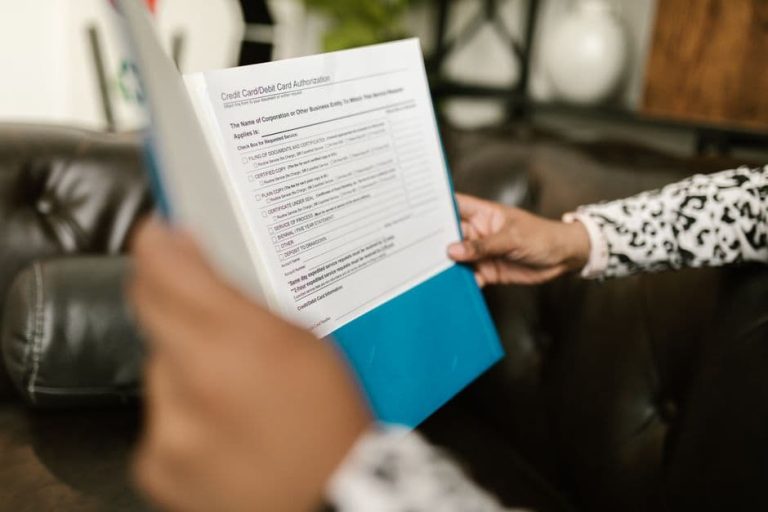
Learning to negotiate bank debt can help you manage financial pressure and avoid decisions that damage your budget. Whether you face credit card balances, personal loans, or overdraft fees, preparation gives you more control.

However, every lender uses different policies, and no settlement outcome is guaranteed. Therefore, review your finances first, communicate honestly, and request every agreement in writing before you send money.
How to Negotiate Bank Debt Before You Call
First, gather every statement, notice, and account agreement related to the debt. Check the current balance, interest rate, fees, payment history, and account status. Also, confirm whether the original bank still owns the account.
Next, create a simple budget that shows your income, essential expenses, and available cash. Do not promise more than you can consistently afford. Otherwise, a short-term agreement may create another missed payment later.
In addition, decide your goal before you contact the lender. You might request a lower payment, reduced interest, waived fees, a temporary hardship plan, or a settlement. Each option affects your finances differently.
Build a Strong Case for Debt Relief
Lenders often respond better when you explain your situation clearly and provide realistic numbers. Therefore, prepare a short statement that describes the hardship, when it began, and how it affects your ability to pay.
For example, you may have experienced reduced work hours, a medical expense, a divorce, or an unexpected family obligation. Keep the explanation factual. You do not need to share unnecessary personal details.
Moreover, collect documents that support your request. Useful records may include pay stubs, unemployment notices, medical bills, rent statements, or a revised household budget. Strong documentation can make your request easier to evaluate.
UpCardsCredit card comparatorPick 2 cards and see, line by line, what changes between them.Use it →Negotiate Bank Debt With Specific Options
When you negotiate bank debt, ask the representative to explain every available program. A hardship plan may lower or pause payments for a limited period. However, interest may continue, and the balance could increase.
A lower interest rate can reduce the total cost and make regular payments more manageable. Similarly, a fee waiver may provide immediate relief. Still, ask whether the change lasts temporarily or remains active until you repay the account.
A lump-sum settlement may reduce the amount you repay, but it can carry serious consequences. The lender may close the account, report the arrangement to credit bureaus, or treat forgiven debt as taxable income. Consult a qualified tax professional about your circumstances, and review guidance from the Consumer Financial Protection Bureau.
Use a Safe and Professional Negotiation Strategy
Start the conversation calmly and ask for the department that handles hardship assistance or account resolution. Then, state the amount you can pay each month without neglecting housing, food, utilities, or transportation.
Furthermore, ask open questions instead of making unsupported demands. You could ask, “What hardship programs are available?” or “Can you reduce the interest rate or waive recent fees?” This approach encourages the representative to discuss practical choices.
Do not provide bank account access or make a payment before you understand the agreement. Also, avoid relying on verbal promises. Request the terms in writing, including the payment amount, due date, duration, fees, interest, account status, and consequences of default.
Compare Settlement Risks Before Accepting
Debt settlement can sound attractive because it may reduce the principal. Nevertheless, you should compare that benefit with the risks. Some settlement arrangements require you to stop paying the lender, which can add fees, collection activity, and credit damage.
Additionally, settlement companies may charge fees, and some cannot guarantee results. Ask how the company earns money, when it charges you, where it holds your funds, and what happens if the negotiation fails.
Before signing anything, compare settlement with direct negotiation, credit counseling, debt management, or legal advice. A nonprofit credit counselor may help you review your budget. You can also learn more here about organizing debt repayment options before choosing a program.
Create a Written Repayment Plan
After the lender accepts a proposal, write down the exact terms. Include the account number, agreed balance, payment schedule, interest rate, fees, expiration date, and any promise to update the account status.
Next, set automatic reminders rather than assuming the bank will withdraw funds correctly. Keep confirmation numbers, letters, emails, and receipts in one secure folder. These records can protect you if the account later shows incorrect information.
Finally, review your budget each month. If your income changes, contact the lender before missing a payment. Early communication may give you more options than waiting until the account becomes seriously delinquent.
Common Mistakes to Avoid
One common mistake involves agreeing to an unaffordable payment because the representative applies pressure. A payment only works when your budget supports it. Therefore, take time to review the offer before accepting it.
Another mistake involves ignoring older accounts or collection letters. Confirm the debt details and check applicable state rules before acknowledging or paying an old debt. Because limitation periods vary, consider speaking with a consumer law attorney.
Also, avoid sharing sensitive information with unverified companies. Research the business, check complaints, and read the contract carefully. If someone guarantees a specific result or demands large fees immediately, treat that warning seriously.
Frequently Asked Questions
Can I negotiate bank debt directly with my lender?
Yes. Many lenders have hardship, payment assistance, or account resolution departments. Therefore, contact the lender directly before hiring a third party. Ask about available programs and request all terms in writing.
What should I offer when I negotiate bank debt?
Offer an amount that your budget can support consistently. Review your essential expenses first, and never promise money needed for housing, utilities, food, or transportation. A realistic offer usually works better than an ambitious promise you cannot keep.
Will debt negotiation hurt my credit score?
It can. A missed payment, account closure, settlement, or reduced payment arrangement may affect your credit history. The impact depends on your account status and the lender’s reporting practices, so ask specific questions before accepting an offer.
Should I use a debt settlement company?
Not necessarily. Compare the company’s fees, services, risks, and cancellation policy with direct negotiation or nonprofit counseling. Moreover, avoid companies that guarantee savings, demand payment before providing services, or tell you to stop communicating with your lender.
},{
Conclusion
To negotiate bank debt effectively, start with accurate account information, a realistic budget, and a clear objective. Then, ask about hardship programs, compare the consequences, and document every agreement.
Most importantly, protect your essential expenses and avoid promises you cannot keep. With careful preparation and consistent follow-up, you can evaluate debt relief options with greater confidence and fewer surprises.