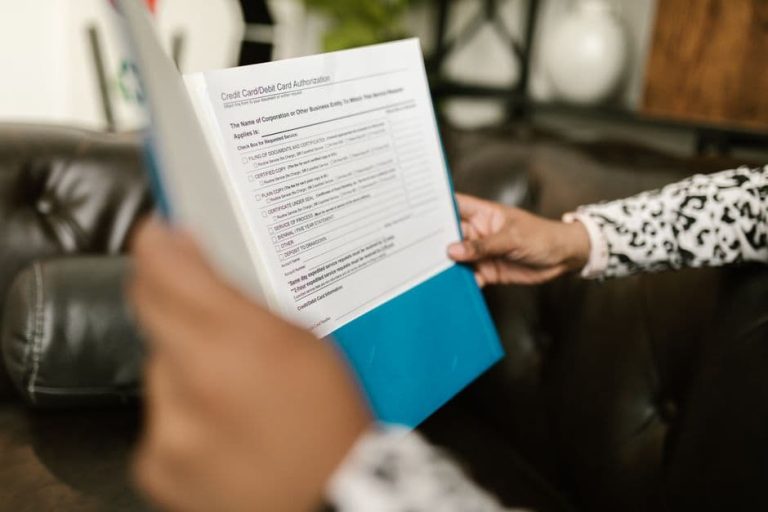
How to file income taxes can feel confusing, especially when your income, deductions, or family situation changes. However, a clear process makes the task more manageable.

First, gather your records and identify your filing requirements. Then, choose a filing method, report accurate information, review every entry, and submit your return before the applicable deadline.
How to File Income Taxes: Start With Your Records
Before you begin, collect documents that show your income for the tax year. These records may include Form W-2, Form 1099, retirement statements, and investment documents.
Also, gather information about deductible expenses and potential credits. For example, keep records for education costs, charitable gifts, mortgage interest, childcare, and eligible medical expenses.
Moreover, collect your Social Security number, dependent information, prior-year return, bank details, and identity verification records. Organized documents reduce mistakes and speed up the filing process.
- Income statements from employers, banks, clients, and investment platforms
- Receipts for potentially deductible expenses
- Records for dependents and qualifying life events
- Last year’s tax return and estimated payment records
How to File Income Taxes Using the Correct Filing Status
Your filing status affects your tax calculation, standard deduction, and eligibility for certain credits. Therefore, review your situation carefully before selecting an option.
Common statuses include single, married filing jointly, married filing separately, head of household, and qualifying surviving spouse. Each status has different requirements.
If you have a spouse or dependents, do not choose a status based only on convenience. Instead, compare the available options and review the official requirements at the IRS filing resource.
Your living arrangements and financial support may also matter. Consequently, keep documents that support your status if the tax authority requests clarification.
UpCardsCredit card comparatorPick 2 cards and see, line by line, what changes between them.Use it →Choose a Filing Method
Most taxpayers can file electronically through tax software, a tax professional, or an authorized online service. Electronic filing usually helps you check information before submission.
Additionally, some taxpayers may qualify for free filing options. Eligibility can depend on income, age, location, or the provider’s current requirements.
You can also work with a tax professional when your return includes self-employment, rental property, investments, international income, or complex deductions. A qualified professional can explain choices, but you remain responsible for providing complete information.
Paper filing remains available in some situations. However, it typically requires more manual work and may take longer to process. Therefore, select the method that matches your needs and confidence level.
How to File Income Taxes Accurately
Enter your legal name, address, identification number, income, and withholding information exactly as shown on your documents. Small differences can delay processing.
Next, report every required income source. Do not assume that a missing form eliminates the reporting requirement. Instead, contact the payer or use reliable records.
Then, review deductions and credits carefully. A tax benefit usually requires specific eligibility rules and supporting records. Therefore, read the instructions before claiming it.
Check calculations, bank account numbers, dependent information, and electronic signatures. Moreover, compare the final return with your documents and prior-year return.
Before submitting, save a complete copy of the return and every supporting record. You may need them for an amended return, a future filing, or an official inquiry.
Common Errors to Avoid
Many errors come from rushing. For instance, taxpayers may enter an incorrect Social Security number, duplicate income, or omit a form.
Other mistakes include choosing the wrong filing status, claiming an ineligible dependent, and entering an incorrect bank account number. Therefore, use a final checklist.
Also, do not copy deductions from a previous return without checking current eligibility. Tax rules and personal circumstances can change from year to year.
Submit the Return and Track the Result
After reviewing the return, submit it through your chosen filing method. Keep confirmation details, submission dates, and payment records in a secure location.
If you owe money, review the available payment instructions and deadlines. You may need to arrange a payment separately from submitting the return.
If you expect a refund, check the status through the official tax authority website. Processing times can vary because of filing method, verification, errors, and seasonal volume.
Furthermore, respond promptly if the tax authority requests more information. Keep copies of every notice and send only the documents requested.
If you discover an error after filing, do not ignore it. Review whether you need an amended return or professional guidance. You can learn more here about organizing tax records and correcting common filing problems.
Build Better Tax Habits for Next Year
Good records make future filing easier. Create a digital or physical folder for income statements, receipts, notices, and payment confirmations.
Update your records throughout the year instead of waiting until filing season. Consequently, you will spend less time searching for missing documents.
Self-employed taxpayers may also need to track business income, expenses, estimated payments, and mileage. Keep business and personal transactions separate whenever possible.
Finally, review major life changes before the next filing season. Marriage, divorce, a new child, homeownership, education, relocation, or a new business can affect your return.
Frequently Asked Questions
What documents do I need to file income taxes?
You generally need income forms, identification details, dependent information, deduction records, credit documents, and payment records. Your exact documents depend on your situation.
Can I file income taxes online?
Yes, many taxpayers can file online through approved software or a qualified tax professional. However, confirm that the service supports your income types and filing needs.
Should I hire a tax professional?
A professional may help when you have self-employment income, rental property, investments, international activity, or complex deductions. Nevertheless, choose someone with appropriate credentials and experience.
What should I do if I make a mistake?
Review the error and determine whether you need an amended return. Also, keep supporting documents and seek qualified guidance when the issue affects tax owed or eligibility.
Conclusion
Learning how to file income taxes becomes easier when you follow a consistent process. Gather complete records, choose the correct filing status, report every required income source, and review your return carefully.
Moreover, keep copies of your submission and supporting documents. When your situation becomes complicated, consider guidance from a qualified tax professional. Accurate preparation helps you meet your responsibilities and avoid preventable delays.