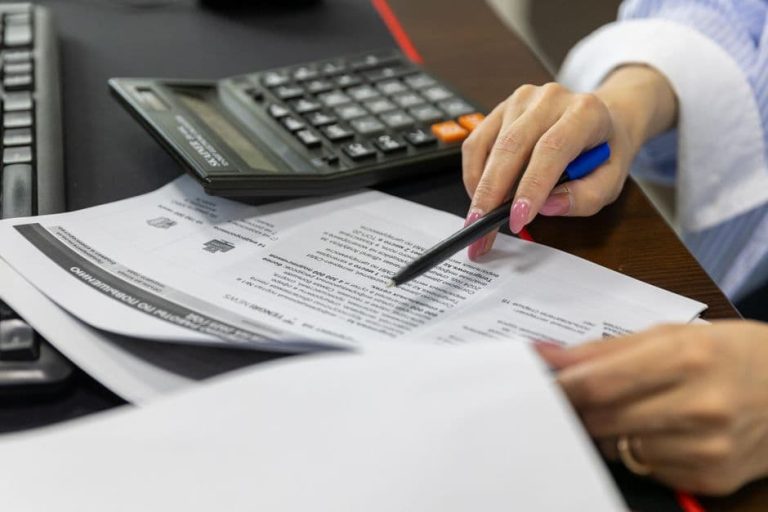
When you dispute an unauthorized charge, act quickly and document every step. An unfamiliar transaction may result from fraud, a billing mistake, or a forgotten subscription. Therefore, review the charge carefully before contacting anyone.
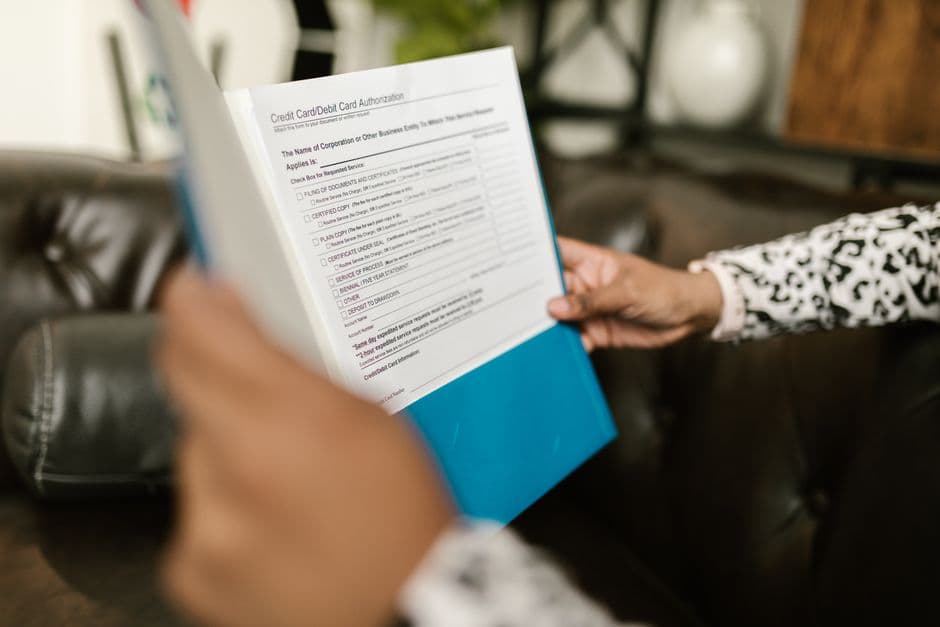
Start by checking your receipts, email confirmations, and account history. Then, contact the merchant and your card issuer through official channels. Moreover, keep copies of messages, case numbers, and responses. This guide explains how to protect your account and pursue a fair resolution.
Dispute an Unauthorized Charge After Checking the Transaction
First, confirm that the charge truly does not belong to you. Check the transaction date, amount, merchant name, and payment method. Some businesses use a parent company or payment processor name on statements.
Next, ask anyone who shares your account whether they made the purchase. Also, check recent orders, digital subscriptions, delivery services, and free trials. A recurring charge may appear months after the original signup.
If the charge still looks suspicious, save a screenshot of the transaction. Write down when you noticed it and what you discovered. Furthermore, do not delete related emails or text messages. These records can support your claim later.
Dispute an Unauthorized Charge With the Merchant
Contact the merchant before escalating the issue, especially when the charge may reflect a billing error. Use the company’s official website, app, or statement-listed phone number. Avoid links from unexpected texts or emails.
Explain the problem clearly and provide the transaction date and amount. However, do not share your full password, one-time security code, or unnecessary account details. Ask the representative to explain the charge and cancel any unwanted recurring payment.
Request written confirmation of the conversation and any promised refund. If the merchant offers a case number, record it immediately. Therefore, you can show the card issuer that you tried to resolve the matter directly.
UpCardsCredit card comparatorPick 2 cards and see, line by line, what changes between them.Use it →Contact Your Bank or Card Issuer
If the merchant cannot resolve the issue, contact your bank or card issuer promptly. Use the number on the back of your card or the institution’s official website. Tell the representative that you want to report an unauthorized transaction.
The issuer may ask whether you still possess the card and whether anyone had permission to use it. Answer accurately and describe only the facts you know. Moreover, ask whether you must submit a written dispute or complete an online form.
Follow the issuer’s instructions carefully and meet every stated deadline. Keep a copy of your submission and note the date you sent it. You can review general consumer guidance from the Consumer Financial Protection Bureau.
Protect Your Account During the Investigation
Change your online banking and payment account passwords if fraud seems possible. Create unique passwords and enable multifactor authentication whenever available. Also, review your profile for changed addresses, phone numbers, or unfamiliar linked accounts.
Ask the issuer whether it should freeze or replace your card. If someone may have accessed your bank account, discuss additional security measures with the institution. Therefore, you can reduce the chance of another unauthorized transaction.
Monitor your statements and credit reports for related activity. Report other suspicious charges separately when necessary. You can also learn more here about reviewing account security and responding to financial fraud.
Understand the Dispute Process and Possible Outcomes
After you submit a dispute, the issuer may investigate the transaction and request supporting information. Respond by the deadline and provide organized documents. A short timeline can make your explanation easier to understand.
The issuer may issue a temporary credit while it reviews the claim. However, that credit may not represent a final decision. Continue checking your account because the institution could reverse the temporary amount.
Possible outcomes include a permanent credit, a denied claim, or a request for more information. If the issuer denies your dispute, ask for the reason in writing. Then, review the appeal process and submit additional evidence when appropriate.
What Evidence Can Support Your Claim?
Strong evidence connects the transaction to your account history and shows why you did not authorize it. Gather your statement, merchant correspondence, receipts, and relevant account alerts. Furthermore, organize documents by date.
Include a concise explanation of what happened. State when you noticed the transaction, whether you contacted the merchant, and what response you received. Avoid emotional language or unsupported assumptions.
If a device or account was compromised, preserve security notifications and login records. You may also need to file a police report or identity theft report in serious cases. Follow the issuer’s specific evidence requirements because procedures vary.
How to Avoid Future Unauthorized Charges
Review your financial statements at least once each month. Early detection gives you more time to report errors and secure your accounts. Set transaction alerts when your bank or card issuer offers them.
Be cautious with free trials, automatic renewals, and unfamiliar payment pages. Read cancellation terms before entering card details. In addition, keep a list of subscriptions and renewal dates.
Use trusted networks and updated devices when managing financial accounts. Never share verification codes with callers or messages claiming to represent your bank. When in doubt, end the conversation and contact the institution directly.
Frequently Asked Questions
How quickly should I dispute an unauthorized charge?
Contact the merchant and your card issuer as soon as you notice the transaction. Deadlines vary by payment method and institution. Therefore, check your card agreement and follow the issuer’s instructions immediately.
Can I dispute a charge I do not recognize?
Yes, but first investigate whether the transaction came from a business using a different billing name. Check shared accounts, subscriptions, and recent purchases. If the charge remains unexplained, report it as unauthorized.
Should I contact the merchant or my bank first?
Contact the merchant first when a billing error or subscription issue seems likely. However, contact your bank or card issuer promptly when fraud may have occurred. Your issuer can explain the required dispute process.
What happens after I submit a dispute?
The issuer reviews the transaction and may request documents or a written explanation. It might provide temporary credit during the investigation. Keep monitoring your account until the issuer sends a final decision.
What if the issuer denies my dispute?
Ask for the denial reason and review the appeal instructions. Then, submit relevant evidence that addresses the stated reason. If the problem continues, consider contacting a consumer protection agency or qualified attorney.
Conclusion
To dispute an unauthorized charge, verify the transaction, document the details, and contact the right parties quickly. Start with the merchant when appropriate, then notify your bank or card issuer. Moreover, protect your accounts while the investigation continues.
Clear records can strengthen your explanation and help you meet important deadlines. Keep monitoring your statements after the dispute ends. With prompt action and careful documentation, you can address suspicious charges more effectively.